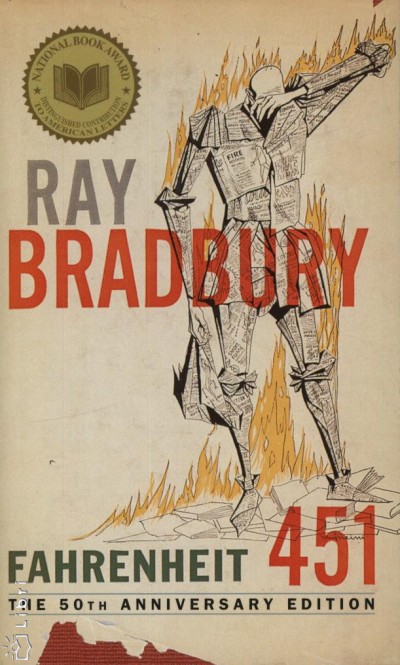
Fahrenheit 451
105 értékelés alapján
Értékelések megtekintése
felhasználó listáján szerepel
Oldalak száma: 190
Ballantine Books
(1999)
Nyelv: Angol
ISBN: 9780345342966
Guy Montag was a fireman whose job it was to start fires.... The system was simple. Everyone understood it. Books were for burning...along with the houses in which they were hidden. Guy Montag enjoyed his job. He had been a fireman for ten years, and he had never questioned the pleasure of the midnight runs nor the joy of watching pages consumed by flames... never questioned anything until he met a seventeen-year-old girl who told him of a past when people were not afraid. Then he met a professor who told him of a future in which people could think...and Guy Montag suddenly realized what he had to do!
Olvasói vélemények összefoglalója
Readers largely regard Fahrenheit 451 as a powerful, unsettling classic whose concerns about censorship, mass media, consumerism, and the decline of meaningful conversation still feel highly relevant. Many found it emotionally affecting and thought-provoking, with a vividly oppressive atmosphere and a strong sense of urgency.
Bradbury’s prose impressed numerous readers with its imagery and distinctive style, while Montag’s gradual awakening and personal transformation were often praised. Some readers also connected deeply with the book’s questions about curiosity, freedom, courage, and human connection.
The reception is not entirely unanimous: some found the opening slow, the dialogue confusing, and the writing overly ornate, sentimental, or heavy-handed. Others felt that the character development and story structure were weaker than the ideas, and that Montag could be frustratingly impulsive. Overall, Fahrenheit 451 is likely to appeal most to readers who value socially engaged speculative fiction and memorable themes over tightly paced plotting.
További kiadások
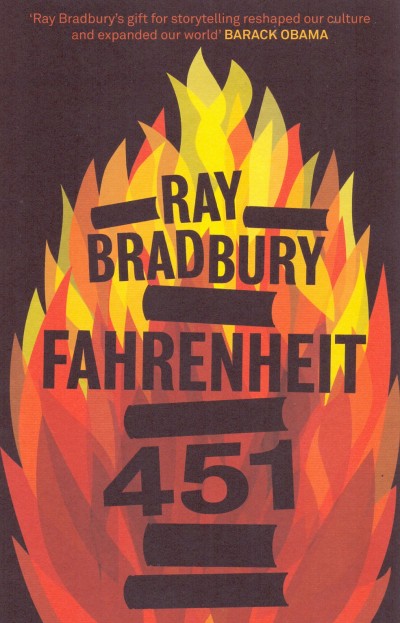
Fahrenheit 451
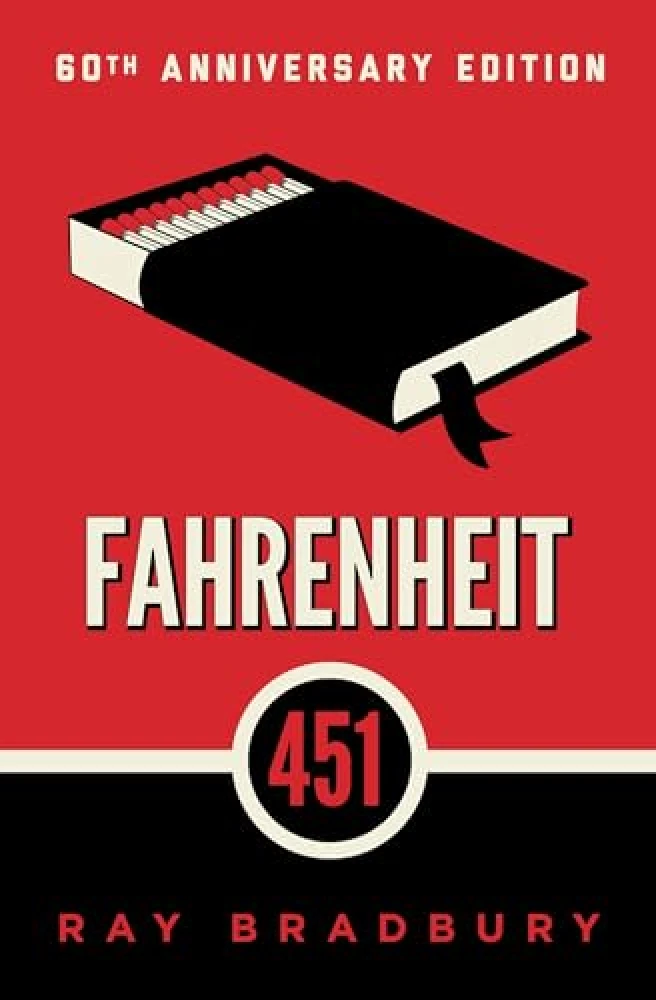
Fahrenheit 451
F
Fahrenheit 451
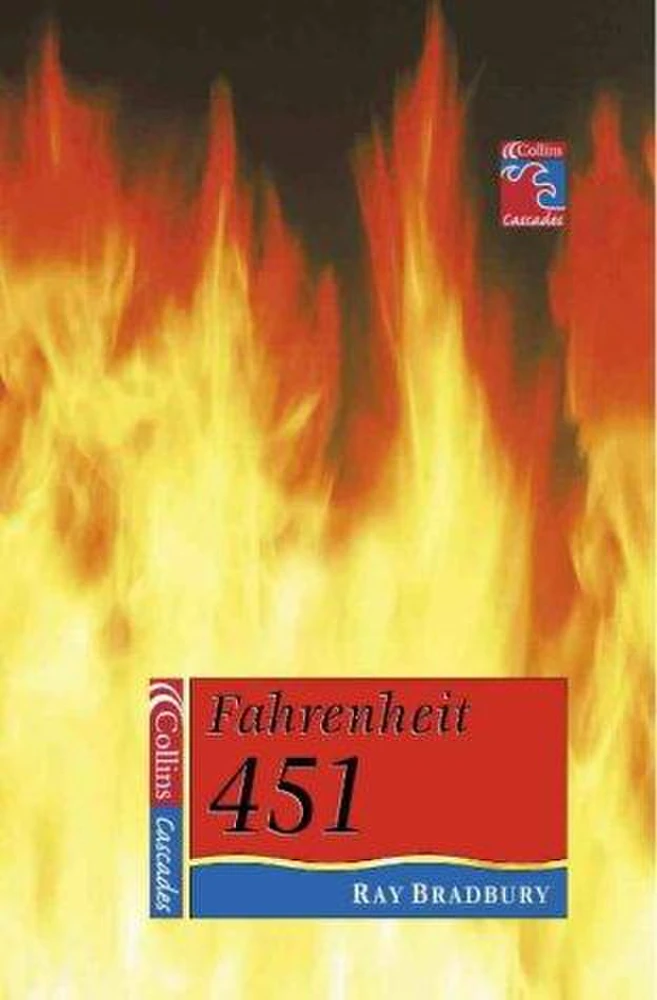
Fahrenheit 451
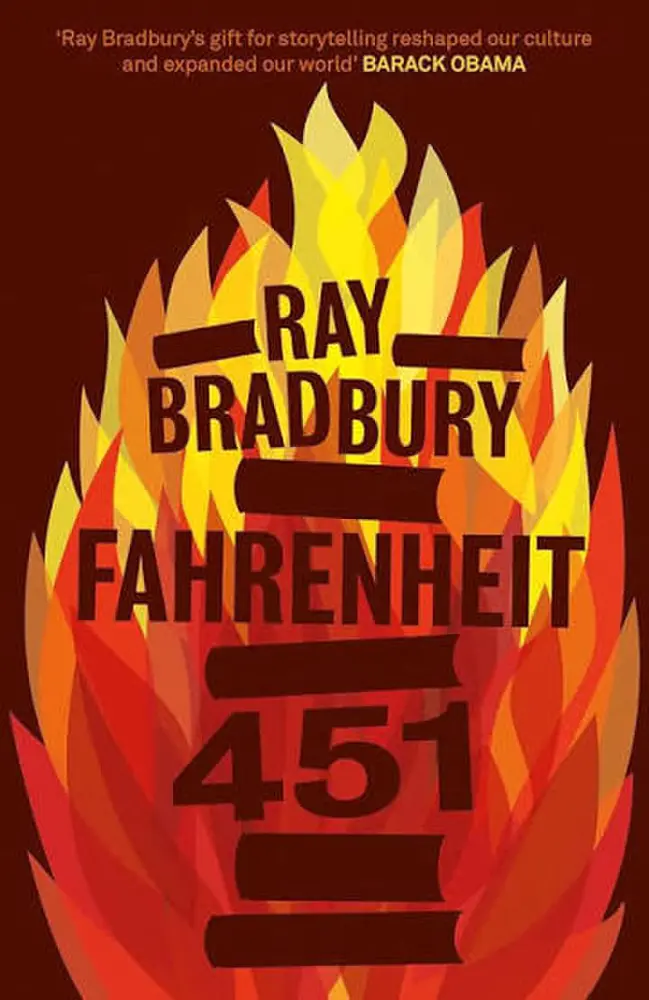
Farenheit 451
Farenheit 451
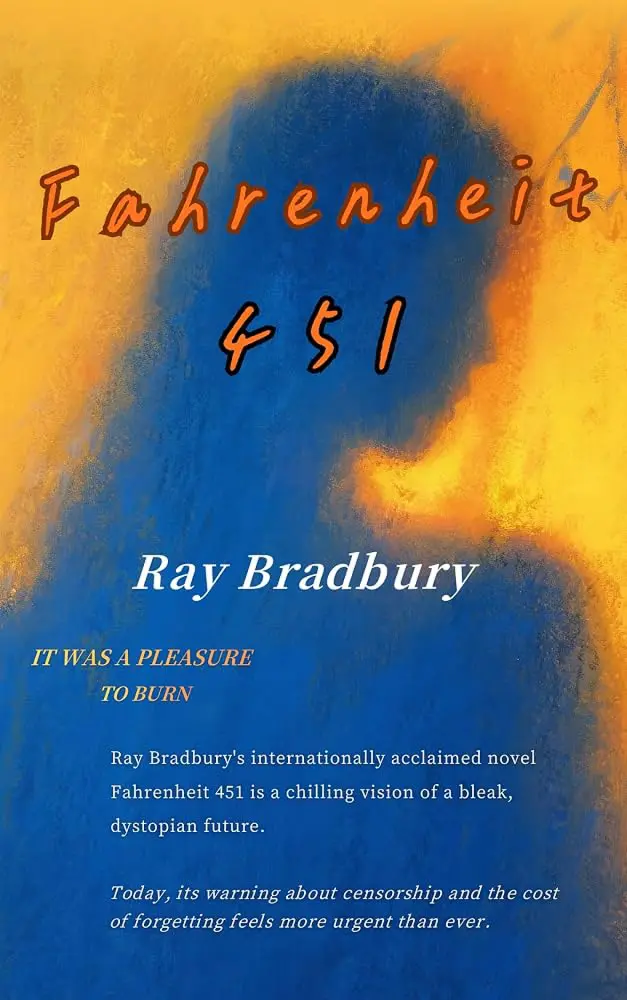
Fahrenheit 451
Értékelések
Értékelés4,2
105 értékelés alapján
5
38 ×
4,5
8 ×
4
41 ×
3,5
3 ×
3
10 ×
2,5
0 ×
2
4 ×
1,5
0 ×
1
1 ×
Bejegyzések
105

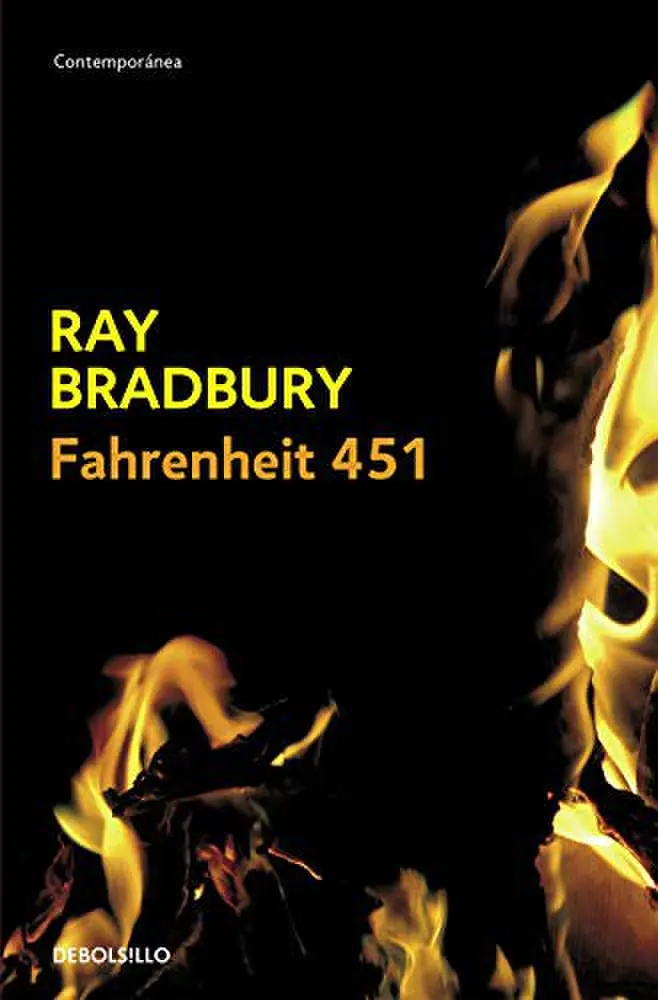
Fahrenheit 451
Ray Bradbury
Uno de mis preferidos. Distopía cada vez más próxima.
Jelentkezz be hogy láthasd a kedveléseket és hozzászólásokat
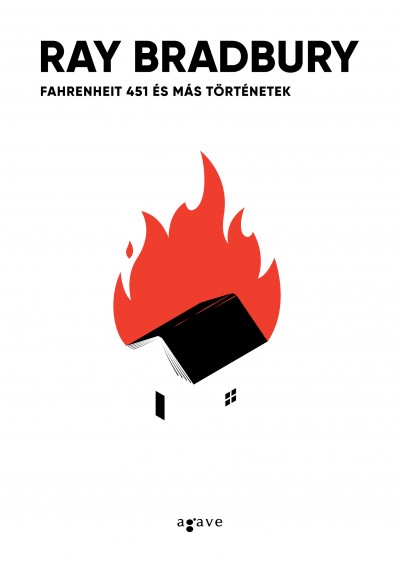
Fahrenheit 451 és más történetek
Ray Bradbury
Bár nagy klasszikus, nekem ez a könyv nem jött be. Rövid, mindössze 150 oldal, de olyan giccses stílusban írta az író (amerikai persze), hogy számomra szinte már olvashatatlan. A történetvezetés nem túl erős, de azt hiszem az író nem is erre helyezte a hangsúlyt. Nagyon szájbarágós. A szereplőkkel explicite kimondatják a nagy igazságokat, aztán meg totál követhetetlen brainstormingba torkollanak a párbeszédek. A könyv utolsó harmada kicsit élvezhetőbb, bár ez a giccses stílus továbbra is elrontja.
A pozitívumok: Bradbury 1954-ben írta a könyvet, és az a disztópia, amit felvázol, ma már nem is disztópia, mert ebben élünk. Vmiért kurvajól megsejtette a jövő társadalmát: a fogyasztói kultúrát, a könnyed szórakozásra épülő nihilista életet, a kultura hanyatlását, a tömegmédia és úgy összességében a ZAJ felemelkedését. A főszereplő egy hét alatt rádöbben, hogy ez rossz (na ezt éreztem nagyon gyengének), viszont az a kétségbeesett düh és indulat, ami eluralkodik rajta nagyon átélhető. Először változtatni próbál, és amikor rájön, hogy ez lehetetlen, akkor arra az ösztönös álláspontra jut, hogy ennek a világnak pusztulnia kell - a belső frusztráció és gyűlölet kiteljesedése. Összességében ezzel nagyon együtt tudtam érezni. Talán emiatt érdemes elolvasni. De a gyenge történetvezetés, a gyenge karakterek és a giccses stílus miatt szerintem ez nem egy jó könyv összességében.
A pozitívumok: Bradbury 1954-ben írta a könyvet, és az a disztópia, amit felvázol, ma már nem is disztópia, mert ebben élünk. Vmiért kurvajól megsejtette a jövő társadalmát: a fogyasztói kultúrát, a könnyed szórakozásra épülő nihilista életet, a kultura hanyatlását, a tömegmédia és úgy összességében a ZAJ felemelkedését. A főszereplő egy hét alatt rádöbben, hogy ez rossz (na ezt éreztem nagyon gyengének), viszont az a kétségbeesett düh és indulat, ami eluralkodik rajta nagyon átélhető. Először változtatni próbál, és amikor rájön, hogy ez lehetetlen, akkor arra az ösztönös álláspontra jut, hogy ennek a világnak pusztulnia kell - a belső frusztráció és gyűlölet kiteljesedése. Összességében ezzel nagyon együtt tudtam érezni. Talán emiatt érdemes elolvasni. De a gyenge történetvezetés, a gyenge karakterek és a giccses stílus miatt szerintem ez nem egy jó könyv összességében.
Jelentkezz be hogy láthasd a kedveléseket és hozzászólásokat
Fahrenheit 451 és más történetek
Ray Bradbury
Igazi klaszikus, Bradbury-t mindenkinek olvasni kellene. A könyvben a címadó disztópia mellet pozitívabb hangvételű írások is szerepelnek.
Jelentkezz be hogy láthasd a kedveléseket és hozzászólásokat
... és még 102 további bejegyzés
Az összes bejegyzés és értékelés megtekintéséhez jelentkezz be!
Bejelentkezés