The Handmaid’s Tale (The Handmaid's Tale, #1)
57 értékelés alapján
Értékelések megtekintése
felhasználó listáján szerepel
Oldalak száma: 311
Anchor Books
(1998)
Nyelv: Angol
ISBN: 9780385490818
Olvasói vélemények összefoglalója
The Handmaid's Tale is widely described as a shocking, emotionally demanding reading experience, especially for its portrayal of gendered oppression and the ways power can reshape people’s lives. Readers admire Margaret Atwood’s intelligent dystopian construction, psychological depth, and the gradual way the novel encourages them to piece together its world rather than explaining everything immediately.
The writing and atmosphere leave a strong impression, though some readers found the book bleak, gray, and so slow-paced that it seemed to have little conventional plot. A minority also considered the system less original or convincing than expected, while others found its social and religious foundations disturbingly credible. Overall, it is best suited to readers who appreciate reflective, unsettling dystopian fiction with a strong focus on ideas and inner experience rather than fast-moving action.
The writing and atmosphere leave a strong impression, though some readers found the book bleak, gray, and so slow-paced that it seemed to have little conventional plot. A minority also considered the system less original or convincing than expected, while others found its social and religious foundations disturbingly credible. Overall, it is best suited to readers who appreciate reflective, unsettling dystopian fiction with a strong focus on ideas and inner experience rather than fast-moving action.
További kiadások
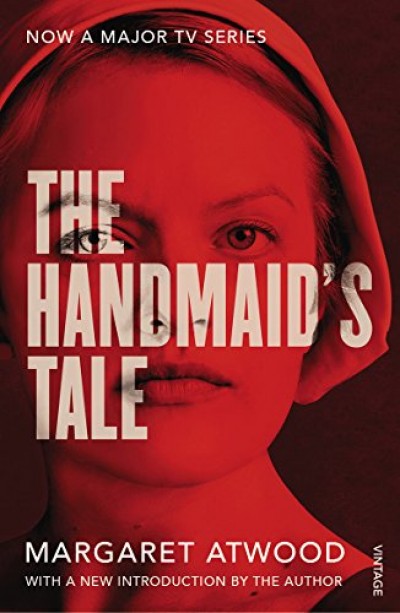
The Handmaid's Tale
Margaret Atwood
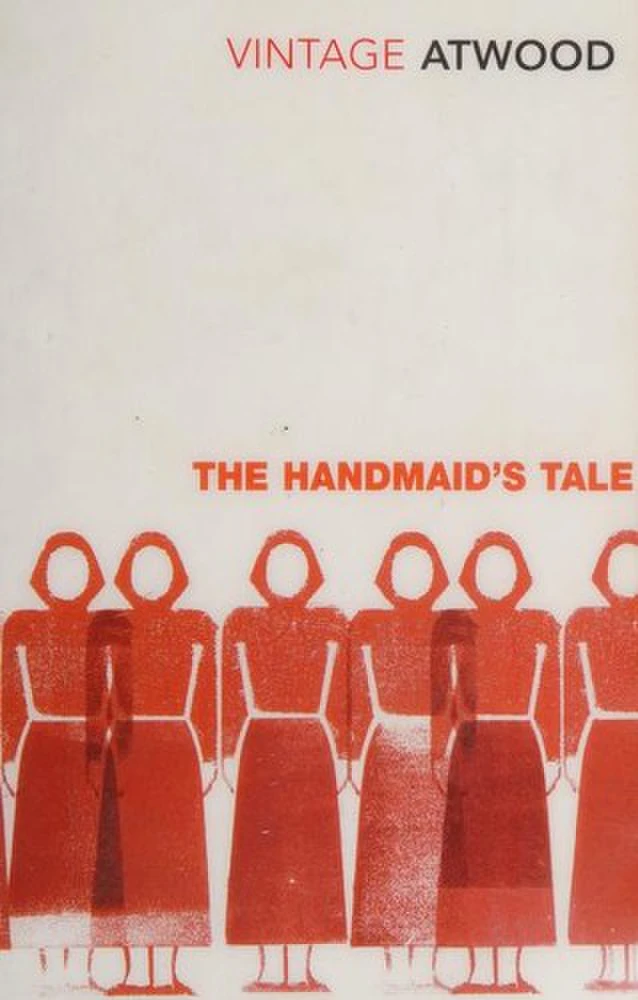
The Handmaid's Tale
Margaret Atwood
Értékelések
Értékelés4,4
57 értékelés alapján
5
30 ×
4,5
2 ×
4
15 ×
3,5
3 ×
3
7 ×
2,5
0 ×
2
0 ×
1,5
0 ×
1
0 ×
Hirdetések

Bejegyzések
55

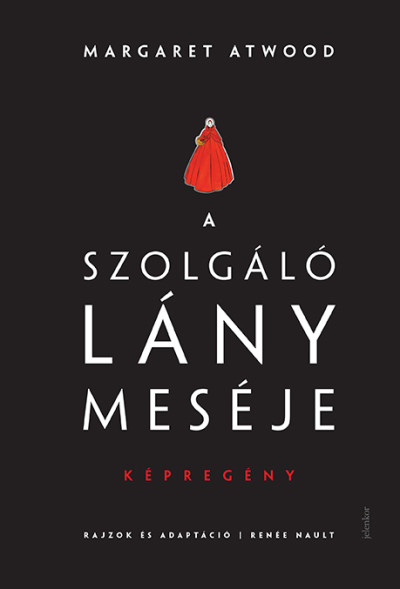
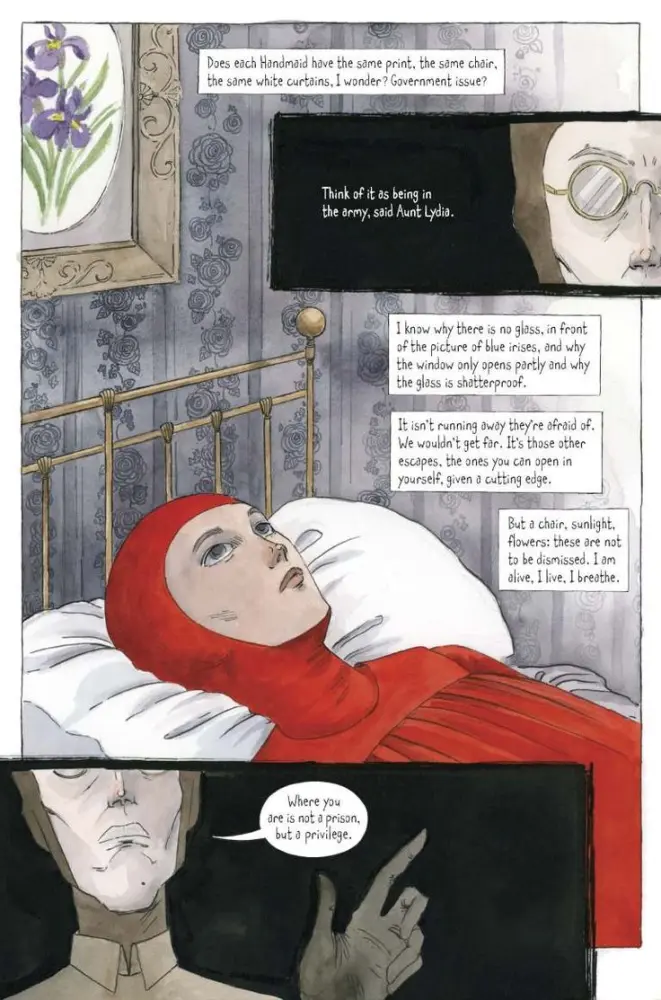
A szolgálólány meséje képregény
Margaret Atwood
Nagyon durva sztorija van, de brutalitásan jó 😍
 De ki emlékszik a fájdalomra, ha már elmúlt? Csak egy árny marad utána, nem is az agyban, hanem húsban. A fájdalom nyomot hagy az emberben,láthatatlan, de mély nyomot.Amit nem látunk, az nincs.
Néha eljutnak hozzánk a hangok, de bármennyire is próbálkozunk, nem mindig tudjuk pontosan megfejteni az értelmüket a jelen tisztább fényében sem.
Jelentkezz be hogy láthasd a kedveléseket és hozzászólásokat
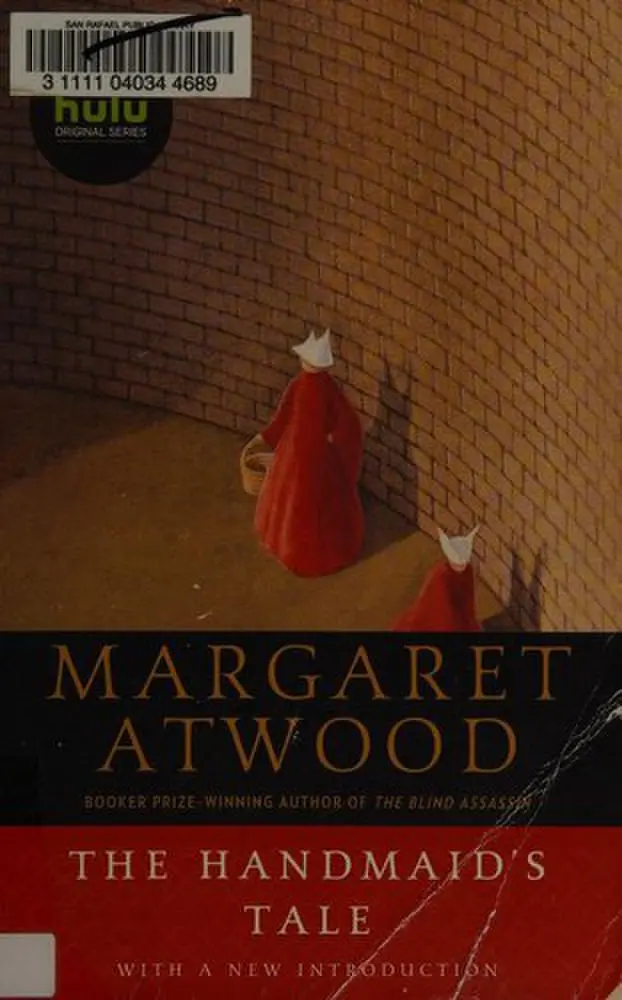
The Handmaid’s Tale (The Handmaid's Tale, #1)
Margaret Atwood
Jelentkezz be hogy láthasd a kedveléseket és hozzászólásokat

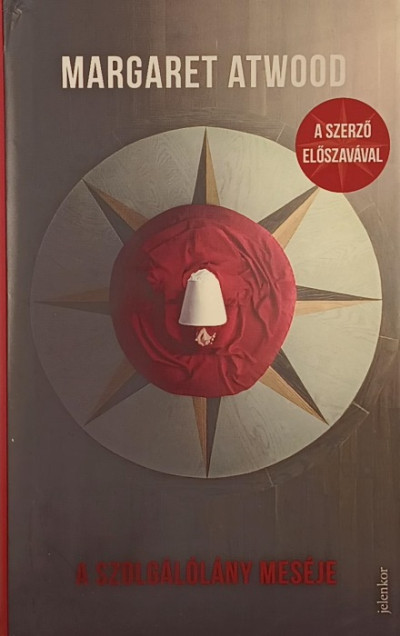
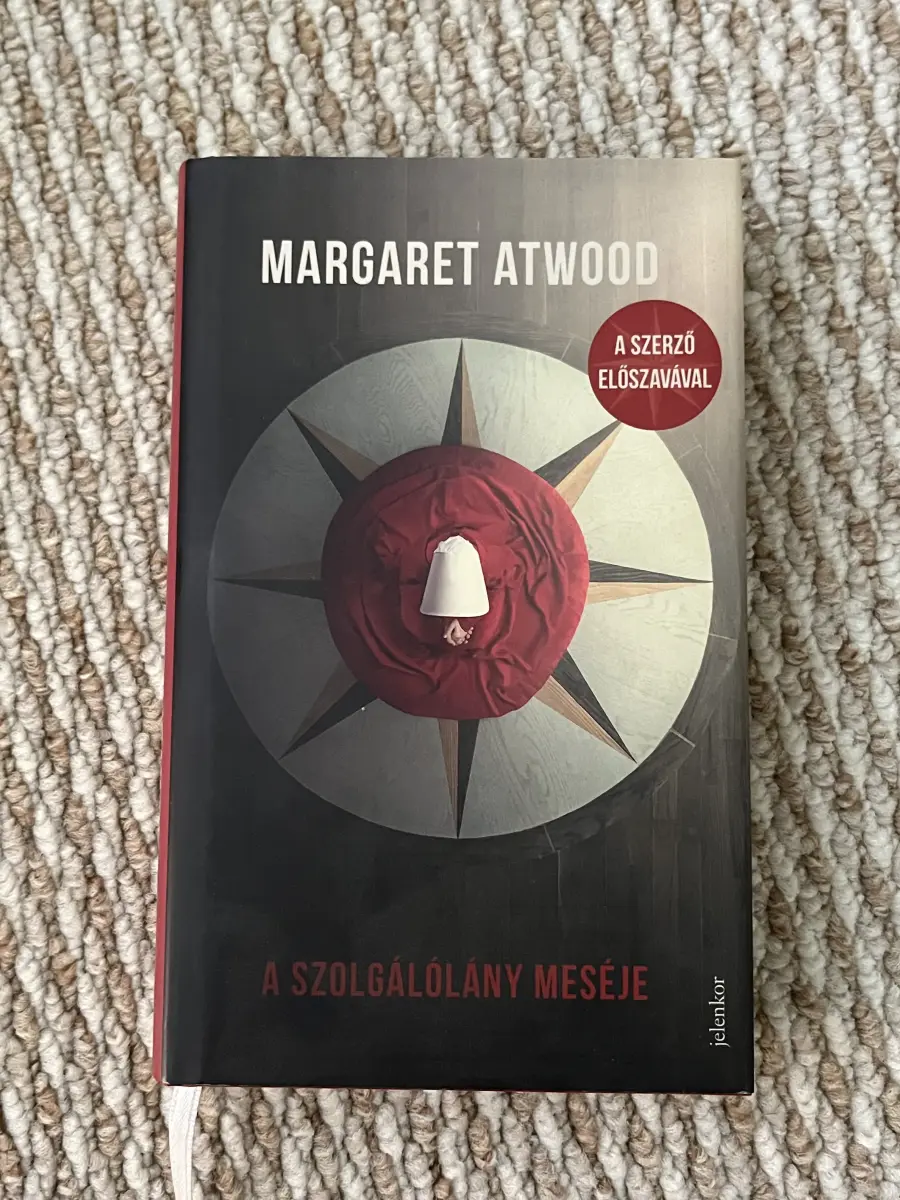
A szolgálólány meséje
Margaret Atwood
Jelentkezz be hogy láthasd a kedveléseket és hozzászólásokat
... és még 52 további bejegyzés
Az összes bejegyzés és értékelés megtekintéséhez jelentkezz be!
Bejelentkezés