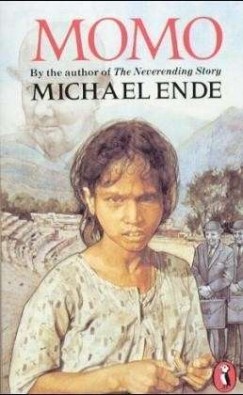
Momo
41 értékelés alapján
Értékelések megtekintése
felhasználó listáján szerepel
Oldalak száma: 236
Puffin
(1999)
Nyelv: Angol
ISBN: 9780140317534
Would you like to see where time comes from? At the edge of the city, in the ruins of an old ampitheatre, there lives a little homeless girl called Momo. Momo has a special talent which she uses to help all her friends who come to visit her. Then one day the sinister men in grey arrive and silently take over the city. Only Momo has the power to resist them, and with the help of Professor Hora and his strange tortoise Cassiopeia, she travels beyond the boundaries of time to uncover their dark secrets...
Olvasói vélemények összefoglalója
Readers generally find Momo a warm, imaginative, and thought-provoking book, with its reflections on time and modern life remaining especially memorable. Many appreciate its emphasis on community, presence, listening, and the value of making time for one another. The atmosphere is often described as innocent and magical, with ideas that invite reflection beyond the story itself.
The book’s child-oriented storytelling does not work equally well for everyone, and some readers find the central character unusually mature or less fully human than the surrounding cast. A few would read Momo only once, while others see it as rich enough for repeated rereading and deeper interpretation. It will likely appeal most to readers who enjoy philosophical fairy tales, symbolic themes, and an emotionally gentle challenge to the way contemporary life is lived.
The book’s child-oriented storytelling does not work equally well for everyone, and some readers find the central character unusually mature or less fully human than the surrounding cast. A few would read Momo only once, while others see it as rich enough for repeated rereading and deeper interpretation. It will likely appeal most to readers who enjoy philosophical fairy tales, symbolic themes, and an emotionally gentle challenge to the way contemporary life is lived.
További kiadások
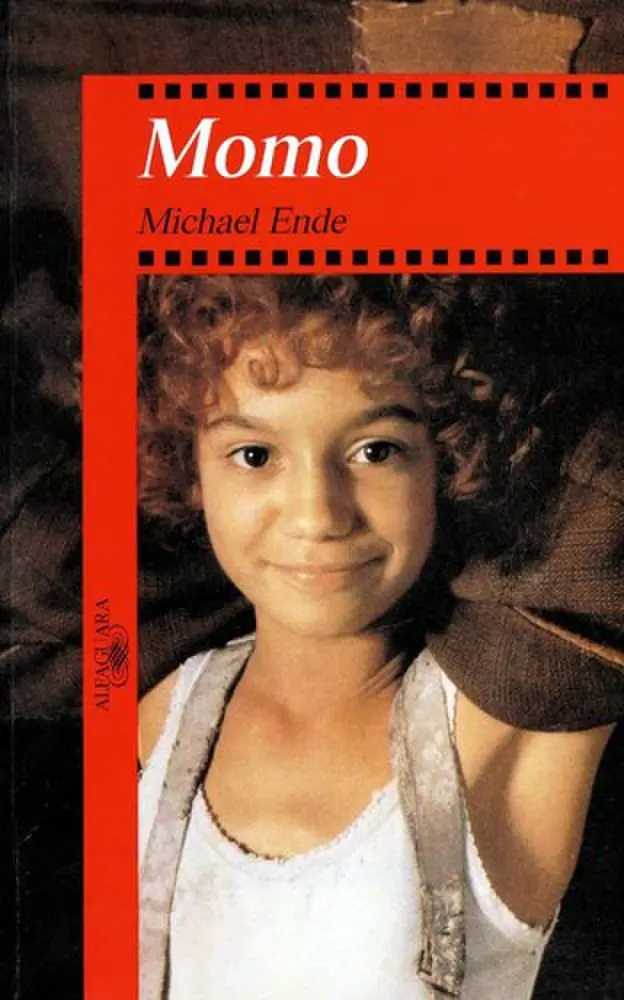
Momo oder Die seltsame Geschichte von den Zeit-Dieben und von dem Kind, das den Menschen die gestohlene Zeit zurückbrachte
Értékelések
Értékelés4,5
41 értékelés alapján
5
20 ×
4,5
6 ×
4
12 ×
3,5
3 ×
3
0 ×
2,5
0 ×
2
0 ×
1,5
0 ×
1
0 ×
Bejegyzések
38

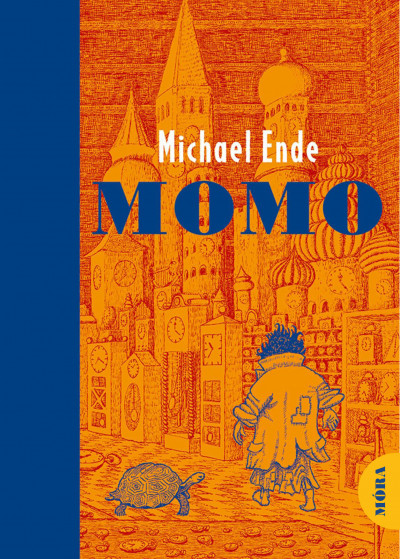
Momo - puhatáblás
Michael Ende
"Az ember előtt néha egy hosszú utca van. Azt gondolná, szörnyen hosszú; ennek sose ér a végére, gondolná. Aztán elkezdi az ember, iparkodik. És egyre jobban iparkodik. Ahányszor fölnéz, látja, nem lesz kevesebb, ami előtte van. Még jobban nekiveselkedik, félni kezd, végül a szuflája is elfogy, nem bírja tovább. Az utca meg még mindig ott van előtte. Így nem szabad csinálni. Sose szabad egyszerre az egész utcára gondolni, érted? Csak a következő lépésre kell gondolni, a következő lélegzetvételre, a következő söprűvonásra. Aztán megint mindig csak a következőre. Akkor örömöt okoz. Ez fontos, mert akkor végzi az ember jól a dolgát. És így is kell, hogy legyen. Egyszer csak észrevesszük, hogy lépésről lépésre végigértünk az utcán. Észre se vettük, a szuflánk se maradt ki. Ez fontos"
"Akit nem győzhetsz le, tedd barátoddá"
"Akit nem győzhetsz le, tedd barátoddá"
Jelentkezz be hogy láthasd a kedveléseket és hozzászólásokat

... és még 35 további bejegyzés
Az összes bejegyzés és értékelés megtekintéséhez jelentkezz be!
Bejelentkezés