
Dracula
OWC
108 értékelés alapján
Értékelések megtekintése
felhasználó listáján szerepel
Libro-trade kereskedelmi kft.
(2005)
Nyelv: Angol
ISBN: 9780192833860
Olvasói vélemények összefoglalója
Readers generally regard Dracula as a memorable gothic classic, though their enthusiasm varies considerably. Many praise its haunting atmosphere, vivid emotional tone, and lasting influence on vampire fiction, while some found it less frightening or immersive than expected.
The diary, letter, newspaper, and report format is widely seen as inventive, giving the novel a distinctive multi-perspective structure, and several readers especially enjoyed the memorable characters and richly detailed prose. At the same time, the pacing is a frequent criticism: some sections feel repetitive, overlong, or weighed down by extended reflections, while the nineteenth-century language can require patience. Readers who appreciate atmospheric classics, epistolary storytelling, and a slower gothic style are likely to value Dracula, whereas those seeking consistently fast-paced horror may find it uneven but rewarding.
The diary, letter, newspaper, and report format is widely seen as inventive, giving the novel a distinctive multi-perspective structure, and several readers especially enjoyed the memorable characters and richly detailed prose. At the same time, the pacing is a frequent criticism: some sections feel repetitive, overlong, or weighed down by extended reflections, while the nineteenth-century language can require patience. Readers who appreciate atmospheric classics, epistolary storytelling, and a slower gothic style are likely to value Dracula, whereas those seeking consistently fast-paced horror may find it uneven but rewarding.
További kiadások
Dracula - Penguin Clothbound Classics
Dracula
Dracula
Dracula
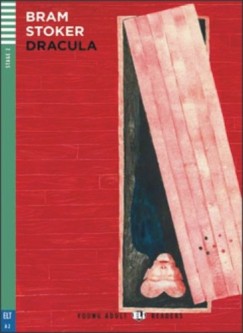
Dracula + CD
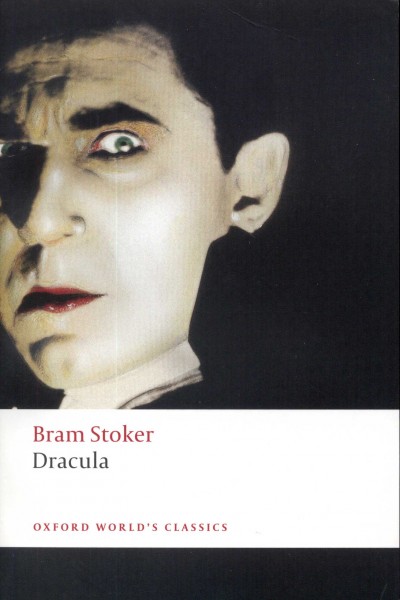
Dracula
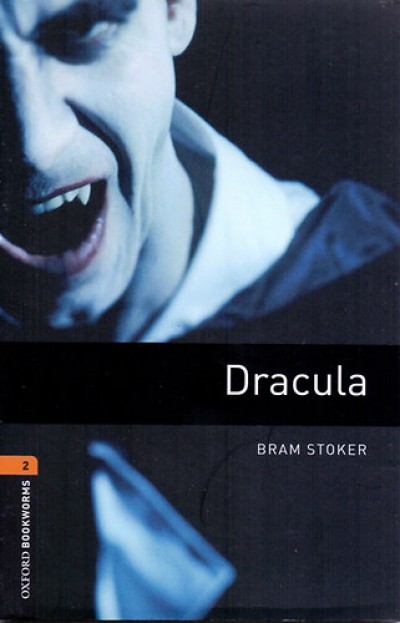
Dracula - Audio CD Pack
Dracula
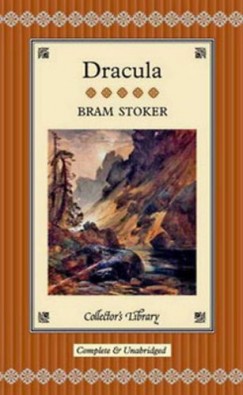
Dracula
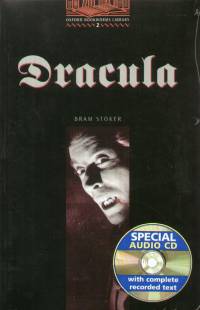
Dracula audio cd pack
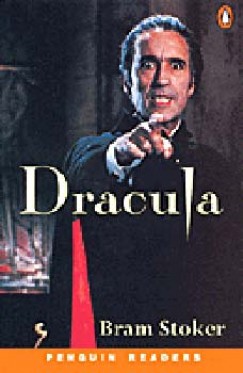
Dracula
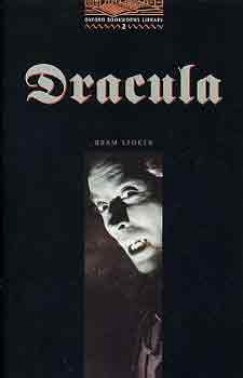
Dracula
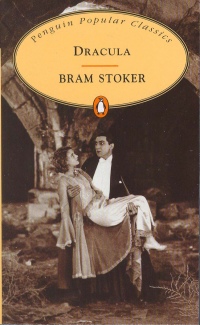
Dracula
Dracula
Dracula
Dracula
Értékelések
Értékelés4,3
108 értékelés alapján
5
39 ×
4,5
19 ×
4
30 ×
3,5
6 ×
3
11 ×
2,5
1 ×
2
1 ×
1,5
0 ×
1
1 ×
Bejegyzések
122

Dracula
Bram Stroker
Legkevésbé sztereotip megjegyzés Romániáról:
 Thank God! this is the country where bribery can do anything, and we are well supplied with money. We have only to make sure that the ship cannot come into port between sunset and sunrise without our being warned, and we shall be safe. Judge Moneybag will settle this case, I think!
Jelentkezz be hogy láthasd a kedveléseket és hozzászólásokat
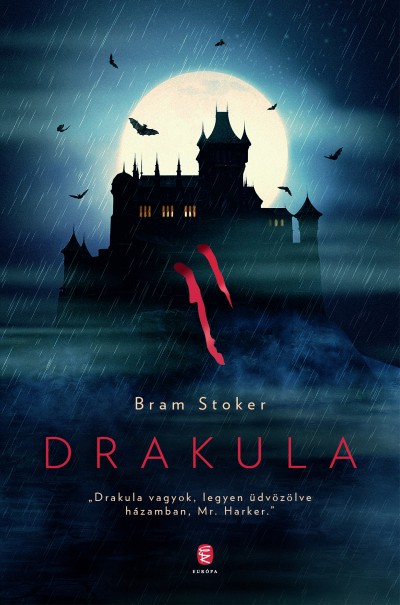
Drakula
Bram Stoker
"Nem vagyok már fiatal; gyászèvektől megfáradt szívemnek nincs húrja a nevetèsre. "
Jelentkezz be hogy láthasd a kedveléseket és hozzászólásokat
Dracula
Bram Stroker
In the records are such words as 'stregoica'—witch, 'ordog,' and 'pokol'—Satan and hell; and in one manuscript this very Dracula is spoken of as 'wampyr,' which we all understand too well.
Jelentkezz be hogy láthasd a kedveléseket és hozzászólásokat
... és még 119 további bejegyzés
Az összes bejegyzés és értékelés megtekintéséhez jelentkezz be!
Bejelentkezés